 Figma
 Google Ads
Strategy and roadmap
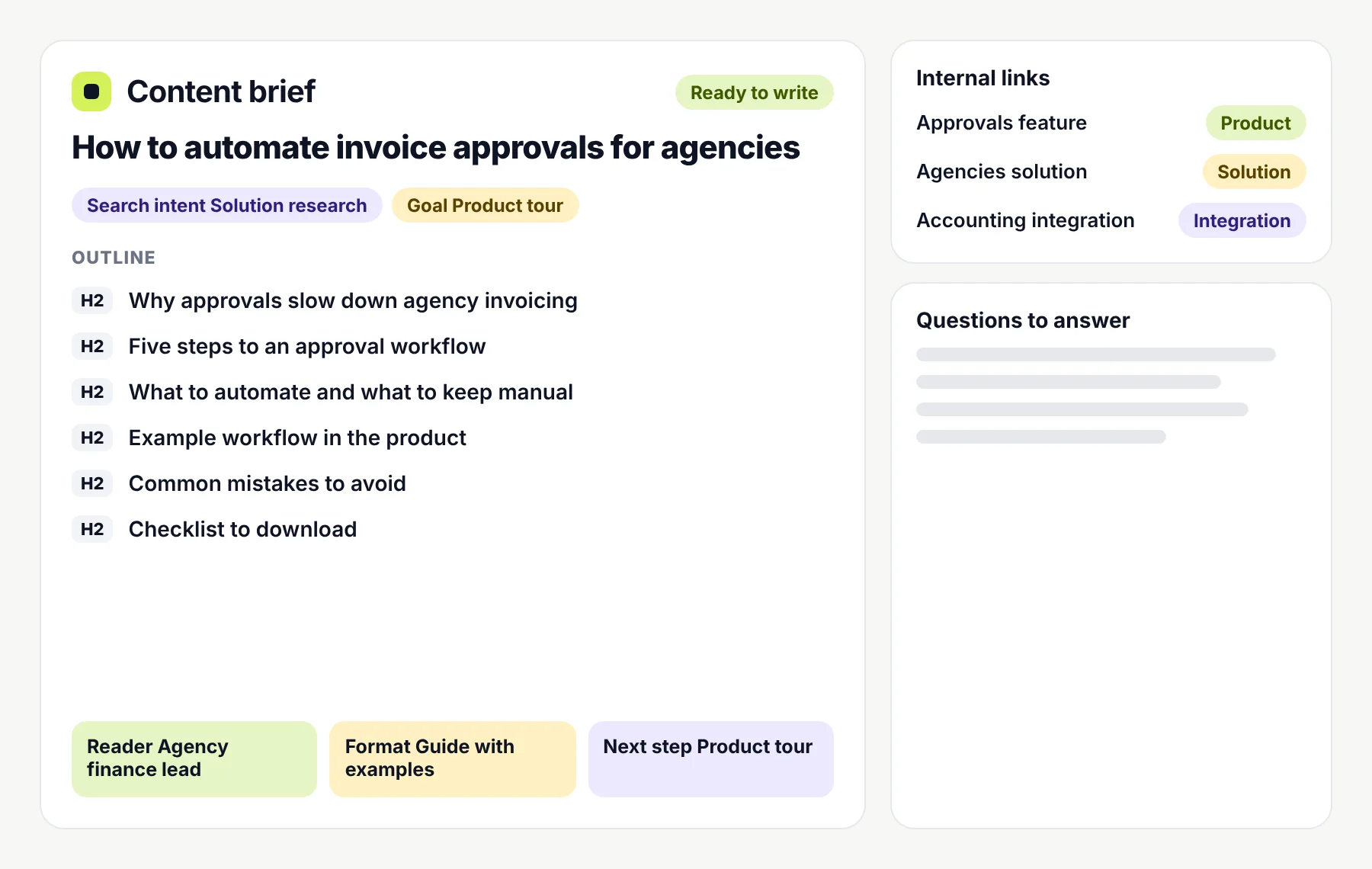
Business, product and market discovery, search demand by product line, competitor review and a roadmap tied to your goals.
You getPrioritised SEO roadmap
 Ahrefs
Semrush
 Search Console
When search depends on templates, several product lines, many teams and sometimes many markets, SEO stops being a list of page tweaks. We find what matters across thousands of URLs, rank fixes by impact and effort, write specs your engineers can ship, and report on qualified demand, not just traffic.
Who this is for
Company size alone doesn’t make SEO complex. Complexity comes from how many page types, teams, markets and dependencies sit between an idea and a live fix. If several of these sound familiar, this service fits.
Each needs its own pages, and they start competing for the same searches.
Integrations, use cases, industries or docs where one template change touches hundreds of URLs.
Product marketing, content, docs and regional teams all ship pages with different standards.
SEO tickets compete with product work and lose, because nobody can show what they’re worth.
Language or regional sections that need their own research, not just translation.
Leadership wants to know what organic search contributes, and traffic charts no longer answer that.
The challenges
Most enterprise SEO problems fall into three lanes. The site lane is technical, the content lane is about overlap and quality, and the organisation lane decides whether anything gets fixed at all.
Not every site has all of these. A site with a few thousand pages and one market has different priorities from one with several products and ten languages, so the first job is finding out which problems are actually yours.
What the service covers
Few companies need all eight at once. We agree which workstreams matter after the assessment, so effort goes where your site and goals need it.
Business, product and market discovery, search demand by product line, competitor review and a roadmap tied to your goals.
Crawling and indexing, canonicals and duplicates, sitemaps and robots rules, redirects, rendering where relevant, structured data checks and Core Web Vitals.
Site hierarchy, navigation, internal links, URL patterns and template level rules for titles, headings and links.
Research by product, use case, industry and buying stage, content audits, consolidation, gaps and refresh priorities.
Integration, use case and industry pages, built only where real demand exists and each page can add something unique.
Market and language research, URL structure, hreflang review and regional content that goes beyond translation.
Backlink profile review, digital PR angles, original research and partner or integration ecosystem opportunities.
Visibility, landing pages, qualified conversions and, where CRM data allows, organic contribution to pipeline.
Prioritisation
A large audit can list hundreds of issues. The useful part is the order. Every recommendation is scored on four factors, then planned around your release cycle.
How many valuable pages, searches or conversions the change affects.
Engineering and content time, including reviews and approvals.
What could break, from rankings during a change to product behaviour.
Which team has to act, and what else has to happen first.
Scalable page collections
Integration directories, use case libraries and industry pages can work well for SaaS. Mass produced pages with little unique value can also count as scaled content abuse under Google’s spam policies. The difference is what each page offers.
Working with your teams
Enterprise SEO lives or dies on implementation. We separate advice from findings, specs and shipped work, and agree owners before anything is planned.
Usually your engineers, from our specs. Where it’s agreed in scope and access is given, our own developers can make some changes. We say clearly which items are which.
Tickets come sized, with acceptance criteria, in your backlog tool and format, so they can be planned like any other work.
We explain the trade off and the risk, suggest options, and the owner decides. Not every SEO ideal is worth the cost.
Template rules, publishing checklists and short training for each team, so new pages start right.
How an engagement runs
You work with one project lead throughout. Each stage shows what happens, what we need from you and what you get.
Products, markets, buyers, goals and how your teams ship pages.
Crawl, index coverage, templates, architecture and rendering.
Searches by product, use case and stage, and who wins them now.
Every opportunity scored on impact, effort, risk and dependencies.
Template rules, tickets for engineers and briefs for content.
Work with the teams who ship, answering questions as tickets are built.
Check changes on staging and after release, where access permits.
Watch crawling, indexing and performance for the pages that changed.
Regular reporting and a strategic review of what to do next.
Measurement
A fixed issue is not a ranking, and a ranking is not a lead. We report each layer on its own, so nobody mistakes activity for results.
Pipeline reporting depends on your analytics setup, conversion definitions, CRM integration and data access. If those aren’t in place yet, setting them up becomes an early priority.
Issues fixed, tickets shipped, pages consolidated, briefs delivered
Indexed valuable pages, non branded visibility, clicks to key page types
Demo requests, trials and sign ups from organic landing pages
Qualified pipeline and closed deals from organic, where CRM data is connected
Ways to work together
Some teams need a full partner, others a specialist for one problem. You get a written scope, timeline and price before work starts.
Assessment, roadmap and regular advice for an in house team that implements.
A defined audit and spec package, such as crawl and index cleanup.
Continuous strategy, specs, content direction, QA and reporting.
SEO planning and checks for a redesign, replatform or domain move.
Market research, structure and hreflang for new regions.
A second set of senior eyes on plans, specs and priorities.
Technical fixes can show up in crawling and indexing first. Rankings, traffic and leads usually take longer, and depend on competition, demand, implementation speed and how search engines respond.
No one can honestly guarantee rankings, traffic, leads or revenue. We commit to clear priorities, careful work and honest reporting.
Our work
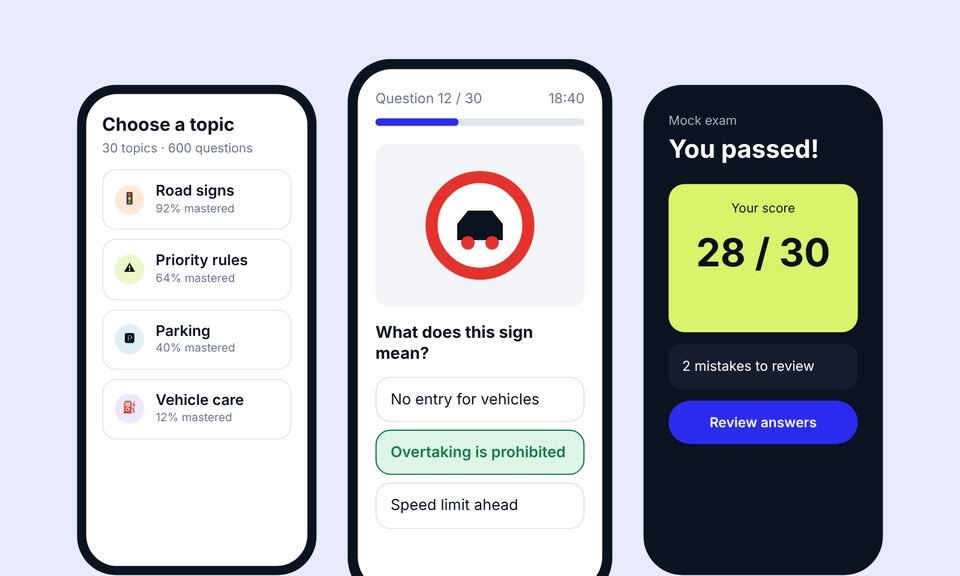 Case 01
We designed the product, built the app and the website, then grew it with advanced SEO (including AEO and GEO) and Google Ads.
+38%
quiz completion
1.8s
average page load
~20,000
organic visits a month, from a new domain
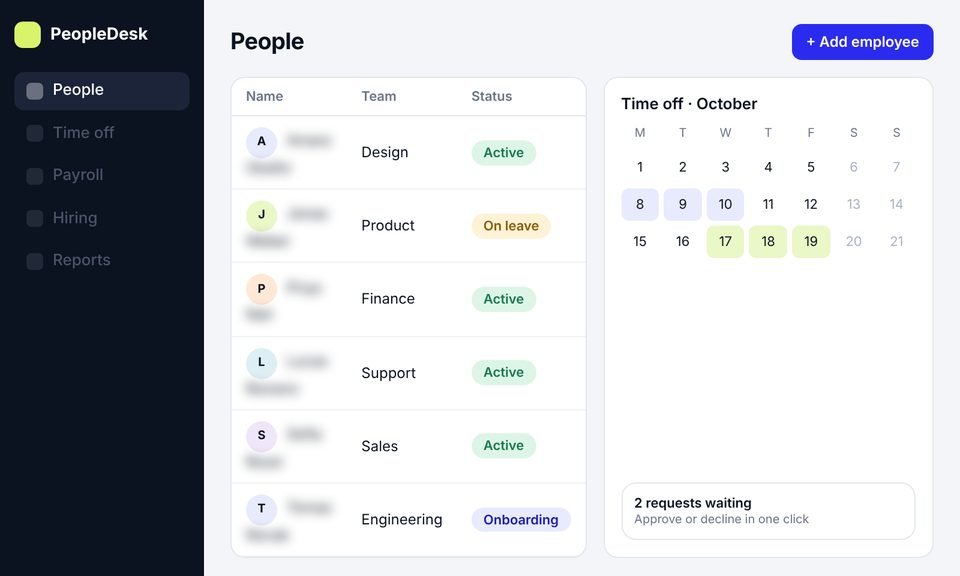 Case 02
We took an HR platform from idea to launch: product design, development and a new website, then SEO to bring in users.
+45%
trial signups
−40%
HR admin time
~11,000
organic visits a month, from search
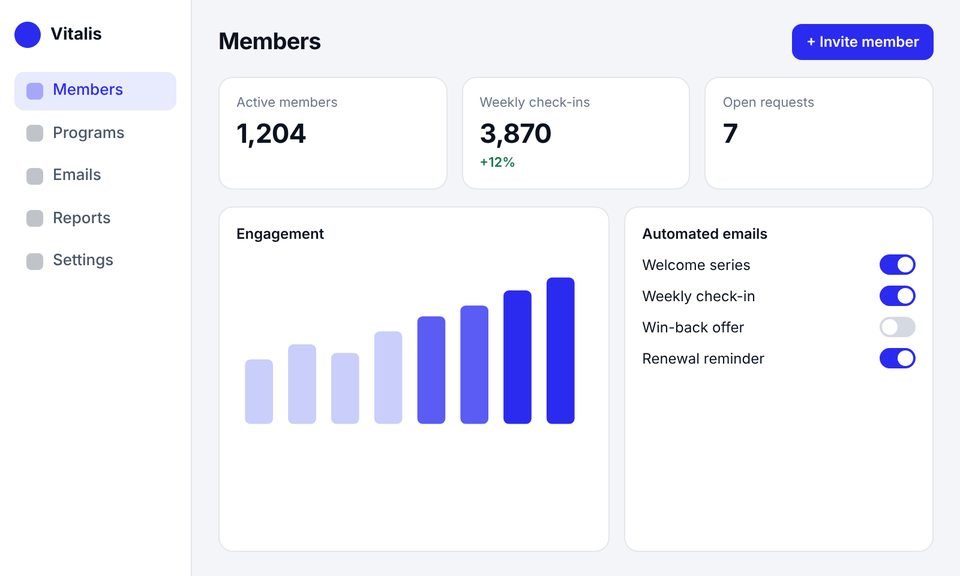 Case 03
This client had outgrown their website builder. We rebuilt it as a SaaS platform with an admin dashboard, automated emails and a new website.
+40%
member engagement
−30%
admin work
50%
faster page loads
Services
This page covers enterprise SEO. These services can run alongside it or on their own.
SEO for SaaS companies, from keyword strategy and technical SEO to comparison pages and reporting tied to sign ups and demos.
Move to a new site, domain or platform without losing the rankings and traffic you’ve built.
Clear, accurate content written for software buyers, from problem guides to feature and comparison pages.
Answer Engine Optimisation helps your product be understood and cited when people ask direct questions.
Generative Engine Optimisation looks at how AI assistants describe and recommend tools in your category.
FAQ
Many enterprise engagements support an internal team rather than replace it. We add capacity for audits, migrations or international work, a second opinion on priorities, and specs that help your team get engineering time.
Through your own backlog and sprint process. We write tickets with the template, affected URLs, the reason, the change and acceptance criteria, answer questions while they’re built and check the result after release.
Yes. We work by section and template rather than page by page, using crawls, Search Console data and server logs where you can share them. Large sites need sampling and grouping, not a list of every URL.
Both are possible. By default we provide findings and implementation specs, and your teams ship them. Where it’s agreed in scope and access is given, our developers can implement some changes. The written scope says which.
Each recommendation is scored on impact, effort, risk and dependencies, then planned around your release dates. Template level fixes that affect many valuable pages usually come first.
Discovery covers your product lines, positioning, buyer roles and sales process, using product access and calls with product marketing and sales. Keyword research is organised by product and use case, not just volume.
Yes. We research each market separately, review URL structure and hreflang, and plan regional content. Translation alone rarely works, because searches and competitors differ by market.
Through four layers, activity, search performance, conversions and pipeline. Pipeline reporting needs analytics and CRM data to be connected, and we help define what’s needed.
Usually Search Console, analytics, a crawl of the site or permission to run one, staging access and a contact in each team that ships pages. Server logs and CRM data help where available.
We look for relevant authority through digital PR, original research and partner ecosystems. We don’t buy links to manipulate rankings or build links in bulk.
It depends on your site, competition and how quickly changes ship. Crawling and indexing improvements tend to appear first, rankings and pipeline later. We don’t promise fixed timelines or results.
It depends on scope, site complexity, markets and how much implementation support you need. You get a written scope, timeline and price before work starts.
Book a call and tell us about your site, your teams and what organic search needs to deliver. We’ll talk through where we’d start and what kind of engagement makes sense.
Prefer email? Write to hello@saasassistant.com